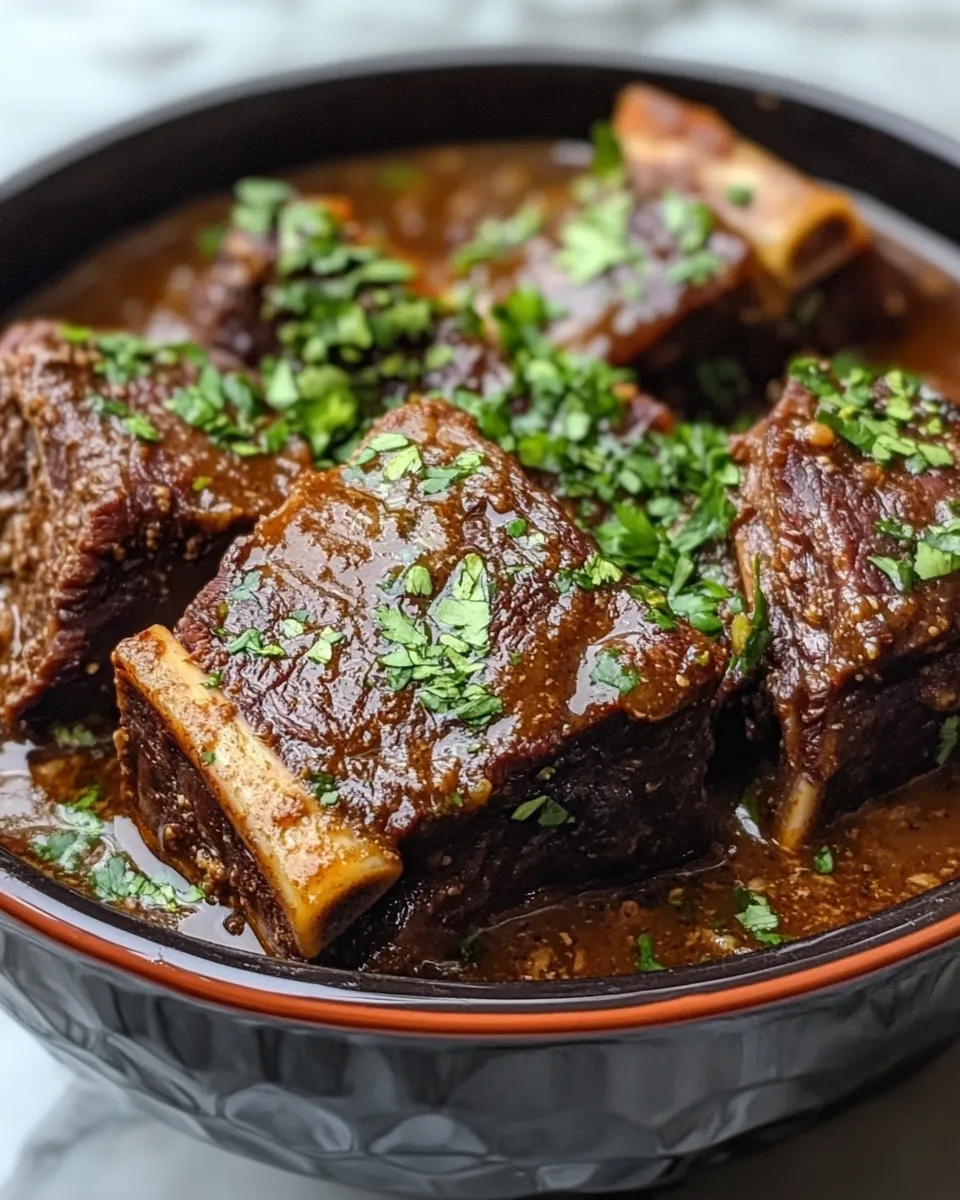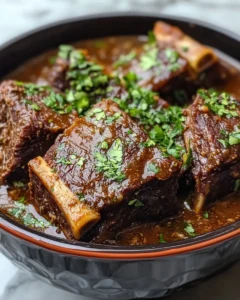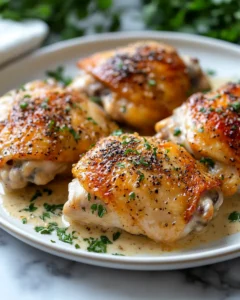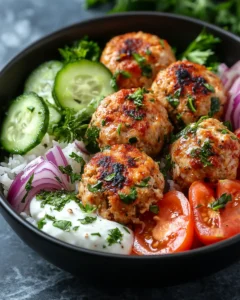

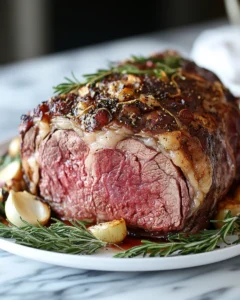
There’s something undeniably special about a perfectly roasted prime rib. Its tender, juicy interior paired with a beautifully browned, flavorful crust makes it the centerpiece of any gathering. Imagine serving this stunning roast on a cozy winter evening or during a festive holiday celebration—guests will be drawn to the irresistible aroma the moment it comes out of the oven. This recipe was inspired by classic family traditions where prime rib was always reserved for the most memorable occasions, from birthdays to holiday dinners. With the right seasoning and slow-roasting method, you can achieve a restaurant-quality prime rib at home, impressing everyone at your table without the stress of complicated techniques.
Ingredients
-
1 (5–7 pound) bone-in prime rib roast
-
4 cloves garlic, minced
-
2 tablespoons fresh rosemary, chopped
-
2 tablespoons fresh thyme, chopped
-
2 tablespoons kosher salt
-
1 tablespoon freshly ground black pepper
-
2 tablespoons olive oil
-
1 cup beef broth
Directions
-
Prepare the Prime Rib
Remove the prime rib from the refrigerator at least 2 hours before cooking to allow it to reach room temperature. This ensures even cooking throughout the roast. Pat it dry with paper towels to create the best surface for a crust. -
Make the Herb Rub
In a small bowl, combine minced garlic, rosemary, thyme, salt, black pepper, and olive oil. Mix until it forms a thick paste. Rub the mixture generously over the entire roast, covering all sides evenly. -
Preheat the Oven
Preheat your oven to 450°F (230°C). This initial high heat helps to sear the outside of the prime rib, locking in juices and creating a flavorful crust. -
Roast the Prime Rib
Place the prime rib, bone side down, on a roasting pan fitted with a rack. Roast in the preheated oven for 20–25 minutes to develop a golden-brown crust. -
Lower the Temperature
Reduce the oven temperature to 325°F (165°C) and continue roasting. Use a meat thermometer inserted into the center of the roast to monitor the temperature. For medium-rare, remove the roast when it reaches 125–130°F (52–54°C); for medium, remove at 135°F (57°C). -
Rest the Roast
Once done, transfer the prime rib to a cutting board and tent loosely with aluminum foil. Let it rest for at least 20 minutes before carving. Resting allows the juices to redistribute, resulting in a tender, juicy roast. -
Make the Pan Sauce (Optional)
While the roast rests, place the roasting pan over medium heat on the stove. Add beef broth and scrape the browned bits from the bottom of the pan to create a rich, flavorful sauce. Simmer for 5–7 minutes, then strain into a serving dish. -
Carve and Serve
Slice the prime rib against the grain into desired thickness. Serve with the pan sauce, roasted vegetables, or your favorite side dishes.
Prep Time, Cook Time, Total Time, Yield
-
Prep Time: 30 minutes
-
Cook Time: 2–2.5 hours
-
Total Time: 2.5–3 hours
-
Yield: 8–10 servings
Notes
-
Choosing the Right Cut: A bone-in prime rib with a nice layer of fat ensures maximum flavor and tenderness.
-
Temperature Tips: Always use a reliable meat thermometer to avoid overcooking. The roast will continue to cook slightly while resting.
-
Make-Ahead: You can season the prime rib the night before and refrigerate it overnight for deeper flavor. Bring to room temperature before roasting.
-
Side Dish Pairings: Roasted garlic mashed potatoes, honey-glazed carrots, and a simple green salad complement the richness of the prime rib beautifully.
Tips for the Perfect Prime Rib
-
Room Temperature: Always bring your roast to room temperature before cooking. Cold meat will cook unevenly, leading to a dry exterior or undercooked interior.
-
Patience is Key: Slow roasting at a lower temperature after the initial sear ensures even cooking and tender results. Rushing the process by cooking at high heat can result in overdone edges and a rare center.
-
Resting Period: Do not skip the resting period. Tent the roast with foil and let it sit undisturbed for 20 minutes. This step is crucial for redistributing juices and making slicing easier.
-
Season Generously: Prime rib is naturally flavorful, but a generous coating of garlic, herbs, salt, and pepper enhances the taste and creates an irresistible crust.
Serving Suggestions
Pair your slow-roasted prime rib with classic sides to create a memorable meal:
-
Potatoes: Creamy mashed potatoes, roasted fingerlings, or a gratin.
-
Vegetables: Honey-glazed carrots, roasted Brussels sprouts, or garlic green beans.
-
Bread: Soft dinner rolls or a crusty baguette to soak up the pan sauce.
-
Condiments: Horseradish cream or a simple au jus adds a touch of luxury to each bite.
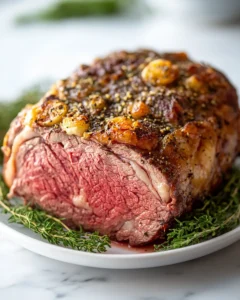
For a festive holiday meal, consider adding a fresh herb garnish, such as sprigs of rosemary or thyme, for visual appeal. The presentation can make your prime rib the centerpiece of the table, impressing guests before they even take the first bite.
Storing and Reheating Leftovers
-
Storing: Wrap any leftover prime rib tightly in foil or place in an airtight container. Refrigerate for up to 3–4 days.
-
Reheating: Reheat slowly in a 300°F (150°C) oven for 15–20 minutes or until warmed through. Cover loosely with foil to prevent drying out. Avoid microwaving, which can overcook and toughen the meat.
Leftovers can also be used for sandwiches, salads, or a hearty beef hash, giving your prime rib a second life as delicious new meals.
Why This Recipe Works
This slow-roasted prime rib recipe works because it balances the initial high-heat sear with a slow, steady roast. This method ensures a flavorful crust while keeping the meat tender and juicy. The garlic and herb rub infuses every bite with aromatic, savory notes, and the optional pan sauce captures all the rich flavors from the roasting process. With simple ingredients, minimal fuss, and a clear method, this recipe allows home cooks to achieve impressive results worthy of any special occasion.
Frequently Asked Questions
1. Can I prepare this prime rib in advance?
Yes! Preparing your prime rib a day ahead is not only convenient but can also enhance its flavor. After applying the garlic and herb rub, wrap the roast tightly in plastic wrap and refrigerate it overnight. This allows the seasonings to penetrate deeply into the meat, giving it a richer, more complex flavor. On the day of cooking, remove the roast from the refrigerator and let it come to room temperature for about 2 hours before roasting. This step is crucial because it ensures even cooking throughout the meat, preventing the outside from overcooking while the center remains underdone. Additionally, preparing the roast in advance reduces stress on the day of your gathering, since all the seasoning work is already done, letting you focus on side dishes, table setting, or entertaining guests.
2. How do I know when the prime rib is perfectly cooked?
The most reliable way to determine doneness is by using a meat thermometer. Insert it into the thickest part of the roast, being careful to avoid bones, which can give an inaccurate reading. For medium-rare, remove the roast when the internal temperature reaches 125–130°F (52–54°C). For medium, aim for 135°F (57°C). Keep in mind that the meat will continue to cook slightly while resting, which means it will rise a few degrees in temperature. This resting period is essential for achieving the perfect texture, ensuring the roast is juicy and tender rather than overdone or dry.
3. What if I don’t have fresh herbs?
Fresh herbs like rosemary and thyme provide bright, aromatic flavors, but dried herbs can be used if fresh ones are not available. Substitute 1 teaspoon of dried rosemary and 1 teaspoon of dried thyme for each tablespoon of fresh herbs. While dried herbs are less vibrant, they still impart a delicious, savory flavor that complements the richness of the prime rib. To enhance their potency, consider rubbing them with a little olive oil along with garlic before applying to the meat.
4. Can I make a sauce from the roast drippings?
Absolutely! Using the drippings adds incredible depth and flavor to your meal. After removing the roast, place the roasting pan on the stove over medium heat and add beef broth. Scrape up the browned bits from the bottom of the pan using a wooden spoon. These browned bits, or fond, are packed with flavor and will form the base of a rich, savory sauce. Allow the liquid to simmer for 5–7 minutes to reduce slightly, then strain it into a serving dish. Serve the pan sauce alongside the prime rib, letting each slice soak up the delicious juices. This simple step elevates the meal and ensures none of the flavorful drippings go to waste.
With this slow-roasted prime rib, you’re not just cooking a meal—you’re creating a centerpiece that brings people together. From festive holiday dinners to special family gatherings, this prime rib recipe delivers the tenderness, flavor, and wow factor that everyone will remember. Take the time to follow the steps carefully, and you’ll have a roast worthy of celebration, ensuring every bite is as succulent and delicious as the first.
Print
Slow-Roasted Perfect Prime Rib Everyone Will Love
- Total Time: 2.5–3 hours
- Yield: 8–10 servings 1x
Description
A perfectly roasted prime rib is the ultimate centerpiece for special occasions or cozy family dinners. Its juicy, tender interior and flavorful crust make it a dish that everyone will remember. Inspired by classic family traditions and holiday celebrations, this slow-roasted prime rib recipe brings restaurant-quality flavor to your home kitchen with simple ingredients and easy-to-follow steps.
Ingredients
-
1 (5–7 pound) bone-in prime rib roast
-
4 cloves garlic, minced
-
2 tablespoons fresh rosemary, chopped
-
2 tablespoons fresh thyme, chopped
-
2 tablespoons kosher salt
-
1 tablespoon freshly ground black pepper
-
2 tablespoons olive oil
-
1 cup beef broth
Instructions
-
Remove the prime rib from the refrigerator at least 2 hours before cooking to bring it to room temperature. Pat dry with paper towels.
-
In a small bowl, combine garlic, rosemary, thyme, salt, black pepper, and olive oil to make a thick paste. Rub the mixture all over the roast.
-
Preheat the oven to 450°F (230°C).
-
Place the roast, bone side down, on a roasting pan fitted with a rack. Roast for 20–25 minutes to form a golden crust.
-
Reduce oven temperature to 325°F (165°C) and continue roasting. Use a meat thermometer to monitor internal temperature: 125–130°F (52–54°C) for medium-rare, 135°F (57°C) for medium.
-
Transfer the roast to a cutting board and tent loosely with foil. Rest for at least 20 minutes.
-
Optional: Make a pan sauce by adding beef broth to the roasting pan, scraping browned bits, simmering for 5–7 minutes, and straining.
-
Slice the roast against the grain and serve with pan sauce and side dishes of your choice.
Notes
-
Choose a bone-in prime rib with a good layer of fat for maximum flavor and tenderness.
-
Use a reliable meat thermometer to ensure perfect doneness.
-
Resting the roast is crucial for juicy, tender slices.
-
You can season the prime rib the night before for deeper flavor.
-
Pair with roasted vegetables, mashed potatoes, or a simple salad.
- Prep Time: 30 minutes
- Cook Time: 2–2.5 hours