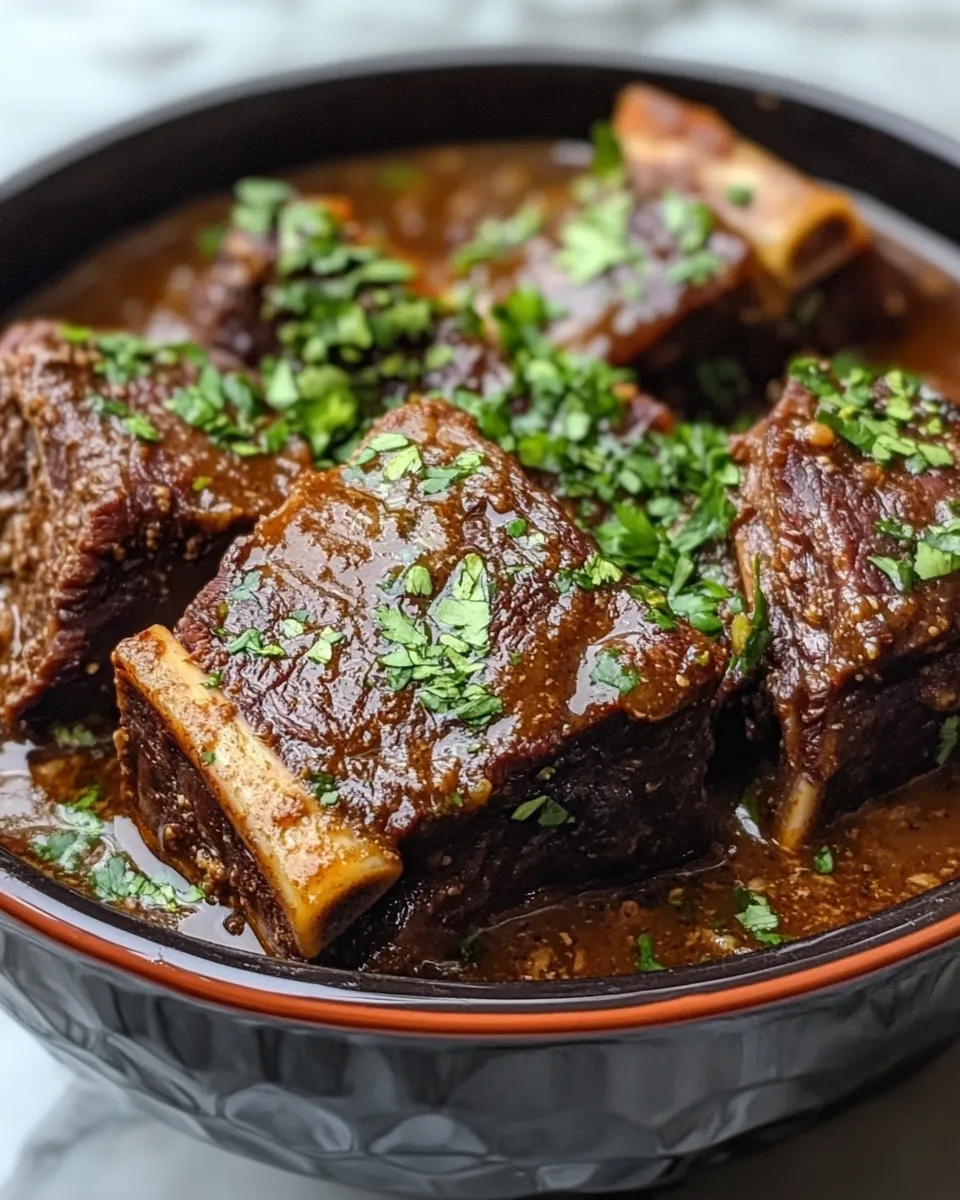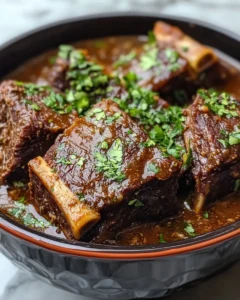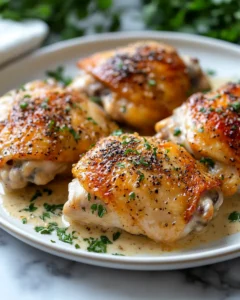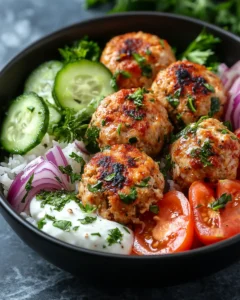

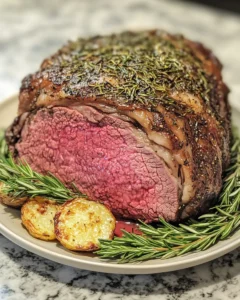
There’s something undeniably special about a perfectly cooked prime rib. Whether it’s the centerpiece for a festive holiday dinner, a cozy family gathering, or an elegant weekend treat, this cut of beef has a way of turning any occasion into a memorable feast. Our Tender & Flavorful Juicy Rosemary & Thyme Prime Rib brings together the rich, savory flavors of fresh herbs and perfectly seasoned beef, creating a roast that is tender, succulent, and bursting with taste.
This recipe was inspired by long-standing traditions of roasting beef for family celebrations. The aroma of rosemary and thyme filling the kitchen instantly evokes warmth and comfort, reminding us of moments gathered around the table with loved ones. By following this guide, you’ll not only impress your guests but also experience the joy of creating a restaurant-quality prime rib in the comfort of your own home.
Why You’ll Love This Prime Rib Recipe
Cooking prime rib can seem intimidating at first, but this recipe simplifies the process while ensuring maximum flavor. The combination of fresh rosemary, thyme, garlic, and sea salt enhances the natural taste of the beef without overpowering it. The slow roasting method ensures a juicy center and a beautiful crust on the outside.
Key reasons this recipe stands out:
-
Perfectly Juicy: Slow-roasted at the right temperature, the meat retains its natural juices.
-
Herb-Infused Flavor: Fresh rosemary and thyme infuse the meat for a savory, aromatic experience.
-
Easy to Follow: Step-by-step directions guide you through seasoning, roasting, and resting for ideal results.
-
Elegant Presentation: A golden-brown crust makes this roast look as good as it tastes.
Whether it’s your first time cooking prime rib or you’re looking for a reliable method to impress guests, this recipe delivers a show-stopping result every time.
Ingredients
-
1 (4–6 pound) prime rib roast, bone-in
-
4 tablespoons olive oil
-
3 tablespoons kosher salt
-
1 tablespoon freshly ground black pepper
-
4 garlic cloves, minced
-
2 tablespoons fresh rosemary, finely chopped
-
2 tablespoons fresh thyme, finely chopped
-
1 teaspoon onion powder
-
1 teaspoon paprika
-
Optional: vegetables for roasting (carrots, onions, potatoes)
Directions
-
Prepare the Prime Rib: Remove the prime rib from the refrigerator at least 2 hours before cooking to bring it to room temperature. This ensures even cooking throughout the roast.
-
Preheat the Oven: Preheat your oven to 450°F (232°C).
-
Season the Meat: In a small bowl, combine olive oil, salt, pepper, garlic, rosemary, thyme, onion powder, and paprika. Rub this mixture evenly over the entire surface of the prime rib. For maximum flavor, gently massage the seasoning into the meat.
-
Optional Vegetable Bed: Place a roasting rack in a large roasting pan. Arrange your choice of vegetables on the bottom of the pan if desired. These will roast alongside the prime rib, soaking up the delicious juices.
-
Initial High-Temperature Roast: Place the prime rib on the roasting rack, bone-side down. Roast in the preheated oven at 450°F (232°C) for 15 minutes to create a flavorful crust.
-
Reduce Temperature and Continue Roasting: Lower the oven temperature to 325°F (163°C) and continue roasting. Use the following guide for internal temperatures:
-
Rare: 120–125°F (49–52°C)
-
Medium-Rare: 130–135°F (54–57°C)
-
Medium: 140–145°F (60–63°C)
Roast until the desired doneness is reached, about 15–20 minutes per pound for medium-rare.
-
-
Rest the Meat: Remove the prime rib from the oven and cover loosely with aluminum foil. Let it rest for 20–30 minutes. Resting allows the juices to redistribute, ensuring a tender, juicy roast.
-
Carve and Serve: Use a sharp knife to slice the prime rib against the grain. Serve with roasted vegetables, horseradish sauce, or your favorite sides.
Tips for the Perfect Prime Rib
-
Room Temperature Meat: Allowing the roast to reach room temperature prevents uneven cooking.
-
Use a Meat Thermometer: Avoid guesswork and ensure perfectly cooked meat.
-
Resting is Crucial: Resting locks in juices and improves flavor.
-
Herb Variations: Feel free to experiment with other herbs like sage or oregano for a unique twist.
-
Pan Juices: Use the drippings for gravy by deglazing the pan with beef broth or stock.
Prep Time, Cook Time, Total Time, Yield
-
Prep Time: 20 minutes
-
Cook Time: 2–3 hours (depending on size and doneness)
-
Total Time: 2 hours 20 minutes–3 hours 20 minutes
-
Yield: Serves 6–8 people
Notes
-
Always use a meat thermometer for precise doneness.
-
Allow the prime rib to rest to retain juices.
-
Customize herb combinations for a personal touch.
-
Pair with complementary sides for a complete meal experience.
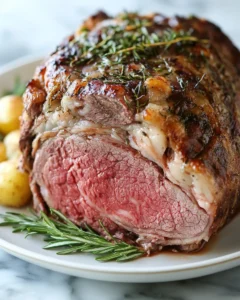
Side Dishes That Complement Prime Rib
The beauty of prime rib is that it pairs well with both simple and sophisticated sides. Consider these options:
-
Garlic Mashed Potatoes: Creamy and buttery, perfect for soaking up pan juices.
-
Roasted Root Vegetables: Carrots, parsnips, and sweet potatoes enhance the earthy flavor of the beef.
-
Yorkshire Pudding: A classic British pairing that adds a light, fluffy texture.
-
Green Beans Almondine: Tender green beans sautéed with garlic and almonds for crunch and flavor.
-
Caesar Salad: A crisp, tangy salad balances the richness of the roast.
How to Store and Reheat Leftovers
Prime rib is just as delicious the next day if stored and reheated properly:
-
Storing: Wrap the leftover slices tightly in aluminum foil or place them in an airtight container. Refrigerate for up to 3–4 days.
-
Reheating: Warm in the oven at 250°F (121°C) for 15–20 minutes to retain moisture. Avoid microwave reheating, which can dry out the meat.
Frequently Asked Questions
1. Can I prepare this prime rib in advance?
Yes! One of the great things about this prime rib recipe is that you can make part of the preparation ahead of time. Season the roast with the olive oil, herbs, garlic, and spices up to 24 hours before you plan to cook it. Cover it tightly with plastic wrap or place it in an airtight container, then refrigerate. The flavors will have extra time to infuse, which can actually enhance the taste of the meat. When you’re ready to roast, remove it from the refrigerator and allow it to come to room temperature for about 1–2 hours. This step is essential for even cooking and ensures that the roast doesn’t end up with a cold center while the exterior is already done.
2. How do I know when my prime rib is done?
The most reliable method is to use a meat thermometer. Insert the thermometer into the thickest part of the roast, making sure to avoid contact with the bone. Refer to the internal temperature guide for your preferred level of doneness: 120–125°F for rare, 130–135°F for medium-rare, or 140–145°F for medium. Remember that the roast will continue to cook slightly while resting, so it’s best to remove it from the oven a few degrees before it reaches your target temperature. Checking the temperature frequently toward the end of cooking ensures you get the exact doneness you want, whether you’re serving a crowd or a smaller family meal.
3. Should I cover the prime rib while roasting?
No. Leaving the prime rib uncovered during roasting allows it to develop a beautiful, golden-brown crust, which is a signature feature of this dish. Covering the roast during cooking traps steam, which prevents the surface from browning and forming that savory crust. The only time you should cover it is during the resting period after roasting, using aluminum foil to keep the meat warm while the juices redistribute.
4. Can I make a sauce or gravy from the pan drippings?
Absolutely! The pan drippings are full of flavor and make a fantastic base for a homemade gravy. Simply deglaze the pan with beef broth, scraping up any browned bits, then skim off excess fat. Whisk in a small amount of flour to thicken the mixture, and season to taste with salt, pepper, or additional herbs. You’ll have a rich, flavorful gravy that perfectly complements the tender prime rib.
Health Benefits of Prime Rib and Herbs
Prime rib is rich in protein and iron, essential for muscle health and oxygen transport in the blood. The fresh herbs used in this recipe not only enhance flavor but also offer antioxidants and anti-inflammatory properties. Rosemary and thyme are known for their digestive and immune-boosting benefits, making this indulgent meal a touch healthier without sacrificing taste.
Making It a Memorable Occasion
Serving prime rib goes beyond the food itself—it’s about the experience. Set the table with candles, use festive platters, and pair with your favorite beverages to make the meal feel special. Invite family and friends to share stories and enjoy the process of carving together. These moments create memories that linger long after the last bite.
Variations to Try
-
Garlic & Herb Butter Prime Rib: Spread softened herb butter under the crust for an extra layer of richness.
-
Mustard-Crusted Prime Rib: Mix Dijon mustard with herbs before roasting for a tangy crust.
-
Smoked Prime Rib: Use a smoker to infuse the meat with a smoky flavor while keeping it tender.
-
Mediterranean Style: Add oregano, basil, and lemon zest to the herb mixture for a bright, aromatic twist.
Final Thoughts
Cooking a prime rib doesn’t have to be intimidating. With a few simple ingredients and careful attention to roasting times, you can create a tender, juicy, and flavorful centerpiece that will impress everyone at the table. The combination of fresh rosemary, thyme, garlic, and a perfectly seared crust elevates the natural flavor of the beef, creating a roast worthy of any special occasion.
This Tender & Flavorful Juicy Rosemary & Thyme Prime Rib is more than just a meal; it’s a tradition, an experience, and a way to bring people together. Whether for a festive holiday, a cozy weekend dinner, or a celebratory feast, this recipe guarantees unforgettable results every time.
So preheat your oven, gather your ingredients, and get ready to create a prime rib that is as impressive as it is delicious. With each slice, you’ll enjoy the tender, flavorful meat that makes this recipe a true standout in the world of home-cooked meals.
Print
Tender & Flavorful Juicy Rosemary & Thyme Prime Rib
- Total Time: 2 hours 20 minutes–3 hours 20 minutes
- Yield: 6–8 people 1x
Description
This Tender & Flavorful Juicy Rosemary & Thyme Prime Rib is the perfect centerpiece for holiday dinners, family gatherings, or any special occasion. With the aromatic combination of fresh rosemary, thyme, and garlic, this roast is tender, juicy, and packed with flavor. The golden-brown crust and succulent interior make it an unforgettable meal that’s easier to prepare than you might think.
Ingredients
-
1 (4–6 pound) prime rib roast, bone-in
-
4 tablespoons olive oil
-
3 tablespoons kosher salt
-
1 tablespoon freshly ground black pepper
-
4 garlic cloves, minced
-
2 tablespoons fresh rosemary, finely chopped
-
2 tablespoons fresh thyme, finely chopped
-
1 teaspoon onion powder
-
1 teaspoon paprika
-
Optional: vegetables for roasting (carrots, onions, potatoes)
Instructions
-
Remove the prime rib from the refrigerator 2 hours before cooking to bring it to room temperature.
-
Preheat the oven to 450°F (232°C).
-
In a small bowl, combine olive oil, salt, pepper, garlic, rosemary, thyme, onion powder, and paprika. Rub evenly over the roast.
-
Place a roasting rack in a large roasting pan. Arrange optional vegetables on the bottom of the pan if desired.
-
Place the prime rib on the rack, bone-side down. Roast at 450°F (232°C) for 15 minutes to develop a crust.
-
Reduce the oven temperature to 325°F (163°C) and continue roasting. Cook until the internal temperature reaches:
-
Rare: 120–125°F (49–52°C)
-
Medium-Rare: 130–135°F (54–57°C)
-
Medium: 140–145°F (60–63°C)
Roast about 15–20 minutes per pound for medium-rare.
-
-
Remove from the oven and loosely cover with foil. Let rest for 20–30 minutes.
-
Slice against the grain and serve with roasted vegetables or sides of choice.
Notes
-
Always use a meat thermometer for accurate doneness.
-
Allow the roast to rest to retain juices and enhance flavor.
-
Experiment with additional herbs like sage or oregano for a personal touch.
-
Pan drippings can be used to make a flavorful gravy.
- Prep Time: 20 minutes
- Cook Time: 2–3 hours (depending on size and doneness)